

Vincent Tilford, April 12, 2026, 8:00 p.m. ET
When something tragic happens on the road, it stays with us. It should. A life lost is never just a headline; it is personal, painful and it makes us want to act. But when we build policy on emotion instead of the full picture, we risk solving the wrong problem.
Newly proposed legislation from Sen. Rosemary Bayer, D-West Bloomfield, would tighten rules for drivers over 75 with more tests, more frequent renewals and more scrutiny. The logic sounds simple: crashes involving older drivers are going up. But there is an important piece missing.
There are now more older drivers than ever before, more than 1.8 million in Michigan alone. It is the fastest-growing group on the road. When any group grows that quickly, the number of crashes involving them will rise too. That does not tell us that they are less safe. National data show that while older adults are a growing share of drivers, they are generally in fewer crashes per licensed driver than teens and young adults, who are consistently overrepresented in police reported crashes. In other words, older drivers are not the group most likely to be involved in crashes once you account for how many of them are on the road.
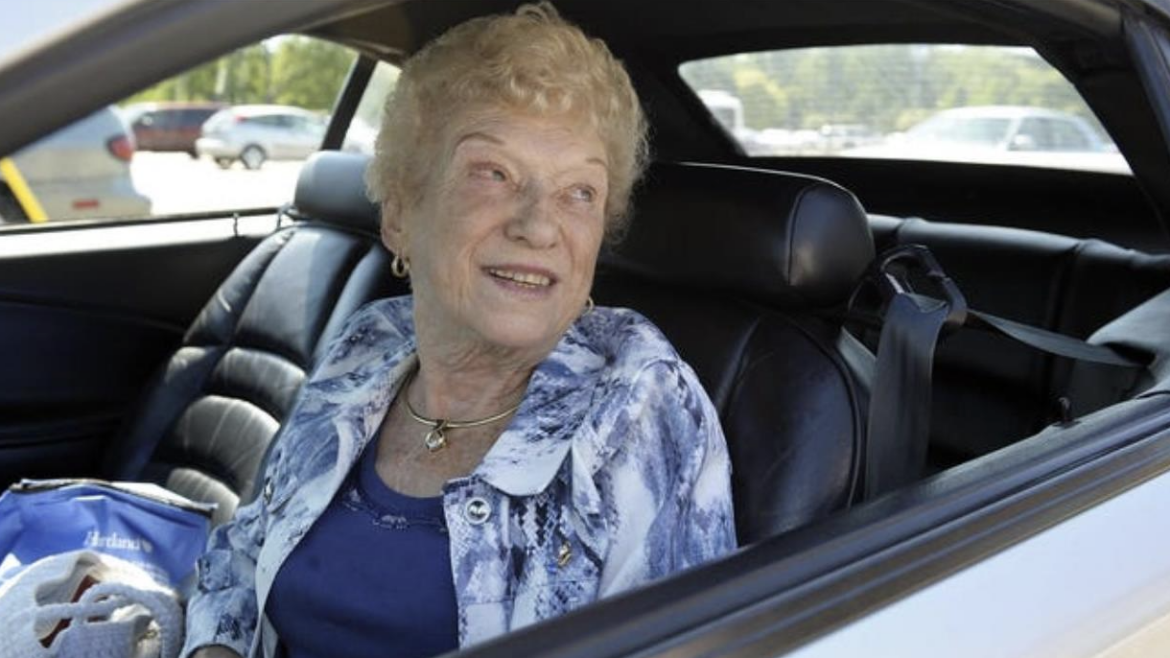
Real life reflects that. My mother drove until about six months before she passed away, at 95. She knew her limits: no night driving and no long distances. In the last 25 years of her life, she was in one accident, caused by another driver who ran a light. I felt more comfortable riding with her than with my youngest son when he was a teenager. Within a month of getting his first car, he was in a crash. That story is not about blaming young people. It is a reminder that risk does not come with a simple age label, yet that is how this debate is being framed.
We often hear that older drivers make up a higher share of fatal crashes than of crashes overall. That sounds like proof they are more dangerous, but it is not. Older adults are more physically vulnerable. When a crash happens, they are more likely to be seriously hurt or killed. That is about fragility, not recklessness. They are more likely to die in a crash, not more likely to cause one.
Many older adults also change how they drive. They avoid night driving, stay off highways and make shorter, more deliberate trips. My 89-year-old
mother-in-law runs her own small hair products distribution business. She is on the road most days, plans her routes carefully and avoids driving at night. She lives alone and supports herself. If we make it harder for her to drive based on age instead of ability, we are not just adding a safety measure. We are threatening her independence and livelihood.
Even safety-focused organizations have said that age alone is not a reliable way to judge fitness to drive. Some people decline earlier. Others stay sharp into their 80s and 90s. A number on a license does not tell the whole story. Ability does.
If we truly care about safer roads, we should focus on what actually matters: vision, reaction time, cognitive health, medication use and driving record. We should apply those standards fairly across all ages, because unsafe driving is not limited to one generation. And neither is good driving.
We all want safer streets and fewer tragedies. We will not get there by pointing at one age group and calling that a solution. Before we change the rules of the road for older Michiganians, we should make sure we are not taking independence away from people who are still driving safely. Sometimes, the safest driver in the family is not the youngest one.
Vincent Tilford is president and CEO of the Hannan Center, a non-profit serving older adults in metro Detroit.
Originally published in the Detroit News: https://www.detroitnews.com/story/opinion/2026/04/12/tilford-proposed-driving-laws-in-michigan-target-older-adults/89551540007/