• Phone: 313-833-1300

Blog

Tilford: Age isn’t a fair measure of driving ability

Tilford: Age isn’t a fair measure of driving ability 1220 691 Nadia Marinova

Vincent Tilford, April 12, 2026, 8:00 p.m. ET

When something tragic happens on the road, it stays with us. It should. A life lost is never just a headline; it is personal, painful and it makes us want to act. But when we build policy on emotion instead of the full picture, we risk solving the wrong problem.

Newly proposed legislation from Sen. Rosemary Bayer, D-West Bloomfield, would tighten rules for drivers over 75 with more tests, more frequent renewals and more scrutiny. The logic sounds simple: crashes involving older drivers are going up. But there is an important piece missing.

There are now more older drivers than ever before, more than 1.8 million in Michigan alone. It is the fastest-growing group on the road. When any group grows that quickly, the number of crashes involving them will rise too. That does not tell us that they are less safe. National data show that while older adults are a growing share of drivers, they are generally in fewer crashes per licensed driver than teens and young adults, who are consistently overrepresented in police reported crashes. In other words, older drivers are not the group most likely to be involved in crashes once you account for how many of them are on the road.

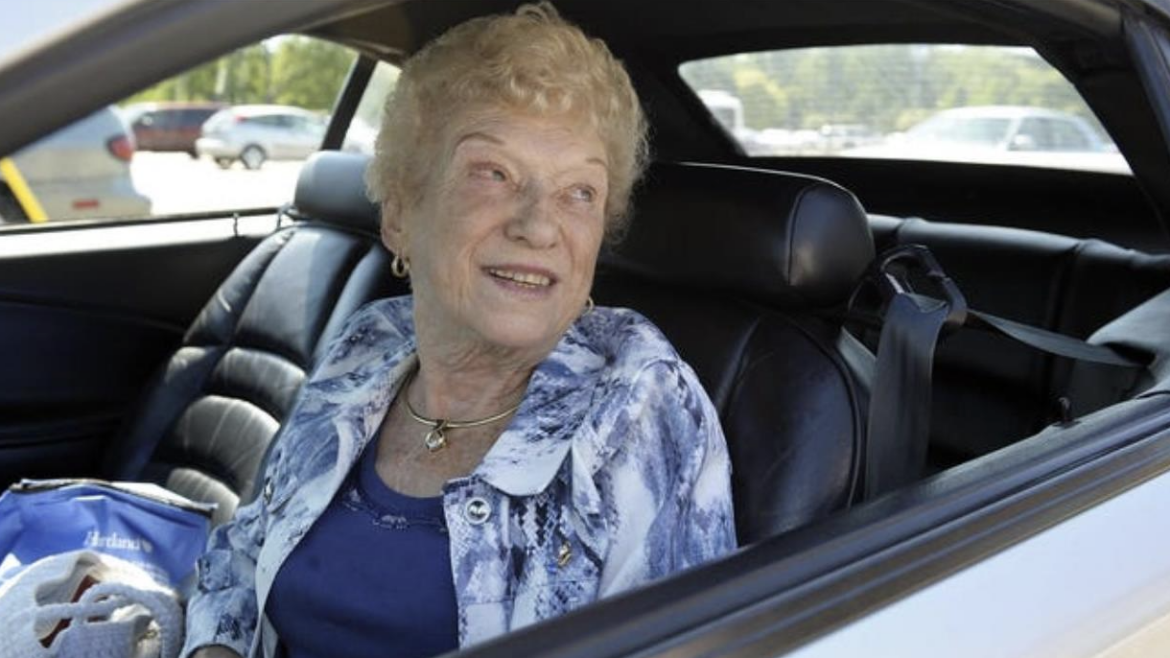
Real life reflects that. My mother drove until about six months before she passed away, at 95. She knew her limits: no night driving and no long distances. In the last 25 years of her life, she was in one accident, caused by another driver who ran a light. I felt more comfortable riding with her than with my youngest son when he was a teenager. Within a month of getting his first car, he was in a crash. That story is not about blaming young people. It is a reminder that risk does not come with a simple age label, yet that is how this debate is being framed.

We often hear that older drivers make up a higher share of fatal crashes than of crashes overall. That sounds like proof they are more dangerous, but it is not. Older adults are more physically vulnerable. When a crash happens, they are more likely to be seriously hurt or killed. That is about fragility, not recklessness. They are more likely to die in a crash, not more likely to cause one.

Many older adults also change how they drive. They avoid night driving, stay off highways and make shorter, more deliberate trips. My 89-year-old

mother-in-law runs her own small hair products distribution business. She is on the road most days, plans her routes carefully and avoids driving at night. She lives alone and supports herself. If we make it harder for her to drive based on age instead of ability, we are not just adding a safety measure. We are threatening her independence and livelihood.

Even safety-focused organizations have said that age alone is not a reliable way to judge fitness to drive. Some people decline earlier. Others stay sharp into their 80s and 90s. A number on a license does not tell the whole story. Ability does.

If we truly care about safer roads, we should focus on what actually matters: vision, reaction time, cognitive health, medication use and driving record. We should apply those standards fairly across all ages, because unsafe driving is not limited to one generation. And neither is good driving.

We all want safer streets and fewer tragedies. We will not get there by pointing at one age group and calling that a solution. Before we change the rules of the road for older Michiganians, we should make sure we are not taking independence away from people who are still driving safely. Sometimes, the safest driver in the family is not the youngest one.

Vincent Tilford is president and CEO of the Hannan Center, a non-profit serving older adults in metro Detroit.


Originally published in the Detroit News: https://www.detroitnews.com/story/opinion/2026/04/12/tilford-proposed-driving-laws-in-michigan-target-older-adults/89551540007/

So You’re a Caregiver Now. Nobody Asked You.

So You’re a Caregiver Now. Nobody Asked You. 150 150 MARCOM

You didn’t apply for this job. There was no interview, no offer letter, no onboarding packet. One day life was normal, and the next you were Googling “how to get a grown adult to take a pill” at 11pm. Welcome.

Here’s the thing nobody tells you upfront: caregiving is less about grand gestures and more about figuring out why your dad hides his hearing aids in the freezer. It’s logistics. It’s negotiation. It’s occasionally hiding vegetables in places they’ll never find them.

A few things that actually help:

Pick your battles — and pick them early.

If your mom wants to wear her winter coat to bed, ask yourself honestly: does this hurt her? No? Let it go. Save your energy for the fights that matter, like making sure she takes her blood pressure medication. You cannot win every argument with someone who has been doing things their way for 80 years. You will lose. Move on.

Routines are your best friend.

People — especially those with memory issues — do better when Tuesday feels like Tuesday. Same wake time, same breakfast, same afternoon walk. Predictability isn’t boring when you’re the one keeping the wheels on. It’s survival.

Get the paperwork done before you need it.

Power of attorney, advance directives, insurance cards, medication lists — gather all of it now, while things are calm. The emergency room at 2am is not where you want to be saying, “I think his doctor’s name starts with a P.”

Ask for help out loud.

People say “let me know if you need anything” and mean it. They just won’t show up uninvited. Tell your neighbor you need someone to sit with Dad for two hours on Thursday. Text your sibling a specific task. “Can you handle the pharmacy run this week?” is a complete sentence.

You are not the only one who needs care.

Daybreak exists for exactly this reason. A few hours of respite during the day — where your loved one is engaged, safe, and around other people — can be the difference between a caregiver who’s coping and one who’s running on empty. Use it without guilt.

Caregiving is hard. You’re doing it anyway. That counts for something.

Occupational Therapy Program: Helping Seniors Stay Strong, Independent, and Connected

Occupational Therapy Program: Helping Seniors Stay Strong, Independent, and Connected 150 150 MARCOM

This past year, our occupational therapy program has become a lifeline for hundreds of Detroit seniors and their families. With the help of our licensed staff, graduate interns, and community partners, we’ve been able to bring practical, hands-on support right where it’s needed most—whether that’s in a senior’s apartment, at DayBreak, or over the phone when someone is feeling isolated.

The impact is easy to see. More than 120 older adults received one-on-one assessments from occupational therapists who helped them make simple changes—like rearranging furniture to prevent falls, adding grab bars, or learning exercises to build balance and strength. These may seem like small things, but they mean the difference between staying independent at home or risking a dangerous fall. Caregivers also benefited from personalized consultations, giving them strategies to make daily life safer and less stressful.

We also introduced group sessions in senior apartment buildings, where neighbors come together not just to exercise, but to connect. One resident who had been withdrawn for months began showing up early, chatting with classmates, and even practicing at home after an intern connected with him in Spanish. That moment of recognition built a bridge—not only to better health, but to community.

Our reach extends beyond therapy exercises. Through partnerships with United Way and other local groups, we distributed care packages and offered reassurance calls to older adults who rarely leave their homes. We also created an emergency fund that stepped in when seniors faced urgent crises—like the veteran who needed a safe place to recharge his wheelchair or the woman at risk of eviction after identity theft stole her benefits.

For families navigating dementia, our DayBreak program added something new and joyful: therapy dogs. The arrival of Skadi the poodle and Andi the labrador has sparked laughter, calmed anxieties, and given caregivers a break from the constant weight of worry. Caregivers tell us those visits don’t just brighten the day—they lighten the load.

Our occupational therapy program shows what’s possible when practical expertise meets compassion: seniors can stay strong, safe, and connected, and caregivers can breathe a little easier knowing they’re not alone.

Eye Care for Detroit: Free Screenings at Hannan Center This June

Eye Care for Detroit: Free Screenings at Hannan Center This June 150 150 MARCOM

In honor of Cataract Awareness Month, Eye Care for Detroit is proud to host a free eye screening event at the Hannan Center on Saturday, June 28th from 9 AM to 1 PM. The event will offer diabetic eye exams and cataract screenings, helping raise awareness and improve access to essential vision care in the city of Detroit.

With over 40,000 homebound Detroiters at risk for preventable vision loss, this initiative provides an important step toward health equity and community support. Early detection of eye conditions can dramatically change lives, especially for older adults and individuals managing chronic conditions like diabetes.

📍 Location: 4750 Woodward Ave, Detroit, MI 48201
📞 More Info: (313) 644-3233
🌐 Visit: www.eyecarefordetroit.org

Join us in supporting this mission and help spread the word. Your outreach can help someone see the future more clearly.

Hannan Center in the Headlines: “Detroit’s Hannan Center called ‘one of Michigan’s best-kept secrets’ for senior citizens”

Hannan Center in the Headlines: “Detroit’s Hannan Center called ‘one of Michigan’s best-kept secrets’ for senior citizens” 1024 1536 MARCOM

We’re proud to share that Hannan Center was recently featured in the Detroit Free Press for our work in creating a welcoming, supportive space for older adults in Midtown Detroit—especially those living with dementia and memory-related challenges.

The article spotlights how we’re not just serving seniors; we’re building community. Through innovative programming, art, music, and compassionate care, Hannan is helping older adults live with purpose, connection, and dignity.

We invite you to read the full piece and learn more about the impact we’re making every day:

Read the article on the Detroit Free Press

Thank you to all of our supporters, staff, and volunteers who make this work possible. Together, we are reimagining what aging looks like in Detroit.

A SAFETY NET PERIL: HOW EXECUTIVE ORDERS AND FEDERAL BUDGET CUTS THREATEN MICHIGAN’S SENIORS

A SAFETY NET PERIL: HOW EXECUTIVE ORDERS AND FEDERAL BUDGET CUTS THREATEN MICHIGAN’S SENIORS 1024 1024 MARCOM

By Vincent Tilford, President & CEO, Hannan Center

For a century, the Luella Hannan Memorial Foundation, now known as the Hannan Center, has been a pillar of support for older adults in metro Detroit. Concerned about seniors facing financial hardships, Luella Hannan, the wife of William Hannan and heiress to his fortune, set out to build a home for those with nowhere else to turn during crisis times. Her plans to develop a retirement home fell through when she could not secure a suitable development site. So, she pivoted to providing monthly living stipends for seniors.  

During the Great Depression, but before the creation of Social Security, Medicare, and Medicaid, the demand for Hannan’s assistance nearly bankrupted the organization’s resources, forcing it to turn many seniors away. That moment in history feels strikingly relevant today.  

President Donald Trump’s recent executive orders propose sweeping changes to federal programs that millions of Americans rely on. These include an $880 billion reduction to Medicaid, job cuts at the Social Security Administration (SSA), layoffs at the Department of Veterans Affairs (VA), and reductions in Medicare reimbursement rates. Slashing support to these essential insurance and safety net programs will plunge Michigan’s seniors and vulnerable populations into a crisis reminiscent of the 1930s. 

Medicaid is a critical safety net for low-income individuals, including many older adults. KFF, a leading nonpartisan organization focused on health policy and health-related issues, reported that more than 2.6 million Michigan residents depend on Medicaid for health care coverage. This number includes 157,000 seniors, 326,000 people with disabilities, and over 1 million adults covered under the Healthy Michigan Plan. KFF also reports that Medicaid covers 38% of all births in the state.   

According to KFF, there are at least 53,000 people – seniors, children, and individuals with disabilities— in every Congressional District that rely on Medicaid. In Southwest Michigan alone, over 270,000 residents depend on it for health care, according to the Michigan Health and Hospital Association. In Kalamazoo County, nearly one in four, or more than 60,000 residents, use Medicaid. Across Calhoun County and neighboring areas like Berrien and Van Buren counties, as many as one-third of residents are enrolled in the program. These proposed cuts would force Michigan into an impossible choice: raise taxes to fill the gap or reduce coverage—both of which would harm families. 

Beyond Medicaid cuts, the SSA plans to reduce its workforce. Long wait times at government offices are already frustrating, but fewer SSA employees will only exacerbate delays in retirement benefits and disability claims. These delays create an existential crisis for those who rely on Social Security checks to cover necessities like housing and food. 

Meanwhile, the VA intends to lay off 80,000 employees by August—rolling back staff levels established under the PACT Act. This legislation expanded veterans’ health care and benefits for those exposed to toxic substances during military service.  

Senior veterans in Michigan already face long wait times at VA centers like the one in Detroit; losing more staff will lead to even longer delays or force some veterans to seek unaffordable private care—or worse yet—go without treatment altogether. 

The current administration is also sending Medicare to the cutting room floor. The 2025 Medicare Physician Fee Schedule (PFS) includes a 2.83% reduction in the reimbursement payments that hospitals and physicians receive.  

Previous Medicare reimbursement reductions have strained local hospitals in rural Michigan, forcing some to reduce services or close entirely. With the median age for counties in Michigan’s northern lower peninsula being among the highest in the nation, those communities can’t afford to have more hospital closures or doctors refusing to accept more Medicare patients because of low reimbursement rates. 

An NIH-funded study found that past Medicare reimbursement cuts negatively impacted patient outcomes. Additional funding reductions could lead to more hospital closures or force physician practices to turn away Medicare-insured patients. Families providing care for aging parents or disabled relatives would face even more tremendous financial strain as they try to fill gaps left by these cuts. Local economies would also suffer as federal healthcare investments disappear. 

Michigan’s congressional representatives will be crucial in deciding whether these cuts move forward. Two key figures—John James (MI-10) and Debbie Dingell (MI-6)—sit on the House Committee on Energy and Commerce, which oversees Medicaid funding. Representative Dingell has consistently championed Medicare, Medicaid, and Social Security programs while advocating for veterans.  

Representative James, who is a veteran, faces a tough decision.   Will he align with his party’s budget proposals or stand up for constituents who rely on Medicaid and VA services? Their choices will have profound consequences for Michigan residents. 

Hannan’s history reminds us that when safety nets fail, communities must step up—but even organizations like Hannan have limits when resources are stretched too thin. During the Great Depression, Hannan was forced to turn away seniors because it simply couldn’t meet demand. We cannot let history repeat itself. 

Michigan’s representatives must act now to protect older adults from these devastating cuts. Their votes will determine whether seniors live with dignity—or endure another era of uncertainty. 

Talking Art & Survival with Richard Phillips and Vincent Tilford

Talking Art & Survival with Richard Phillips and Vincent Tilford 1920 1080 Hannan Center

Richard Phillips was a Detroit high-school dropout who was sent to prison at age 26 for a murder he did not commit. No galleries, no art fairs, only fellow inmates would see the art of America’s longest-serving inmate to win exoneration after 45 years in prison. With few choices in prison, Richard became an avid reader, earned a GED and an Associate’s Degree in Business, graduating with honors. He practiced his drawing, sold handmade greeting cards to inmates to buy supplies and taught himself to paint with watercolors. Most leave prison with nothing. A pen pal kept Richard’s paintings, which he retrieved when he was freed in 2017. A Ferndale gallery exhibited his work. CBS Sunday Morning covered it. Art lovers loved it! Many see Richard’s life as a testament to the healing art of art itself. Richard Phillips says his art kept him sane.

Listen as Richard Phillips sits down with Vincent Tilford, President and CEO of the Hannan Center, as they discuss art, life, and purpose.

Driving While Old

Driving While Old 1920 1080 Hannan Center

We all swim against time and the riptides of our genetics, lifestyle, and environment.  Any one of these variables, and indeed any combination, can drag us out to sea.  It can be a struggle, particularly when it comes to the activities we engage in that help maintain our independence.  However, no matter how old we become, we want to believe that we have some years to go before we lose our ability to perform the activities that matter to us.  Time is on our side until it isn’t.  But, then, we must face that our bodies and minds aren’t as robust and resilient as they once were as we strive to perform the activities that add value to our lives.

I remember when I gave up martial arts training.  The dojo had become my tribe, my “Cheers,” a place where everyone knew my name.  Training improved my discipline and helped me stay physically and mentally sharp.  I saw myself as a martial artist.  But eventually, the stubborn aches and pains that never quite healed, and the perpetual stiffness that lingered after the previous day’s training, ultimately tipped the scales against any sense of accomplishment I derived from my practice.  With reluctance, I hung up my gi.

“Well, duh!” I can hear you saying.  “This first-world problem should be a no-brainer for someone entering their sixties.” However, sometimes the activities we need to reconsider are less obvious yet are nevertheless essential to our identity and sense of independence.  Driving is one of those activities.

Since our high school days, driving has been synonymous with freedom and independence.  It grants us the autonomy to come and go without relying on others for transportation.  But we also assume an enormous responsibility for our selves and especially others when we’re behind the wheel.  Imagine the damage we can cause if we lose control of a two-ton vehicle.  Yet we view driving as an inalienable right when in reality, it’s a privilege that our government regulates to mitigate the potential harm we might cause to ourselves, property, and others.  But many of us cannot imagine a future when we might have to relinquish this privilege.

For my 95-year-old mom, driving has been a part of her life for many decades.  In her 70s and 80s, she ran errands for herself and picked up and dropped off our children at their nursery, elementary, and middle schools.  In addition, she made it possible for our boys to attend extracurricular activities when my wife and I couldn’t get home in time.

Having lived in the Buckeye State for many years, my mother drove from Detroit to Cleveland twice a year to visit my sister.  She was 90 years old when she made her last trip there.  Some friends were shocked when I shared that my mother had driven herself to Ohio.

“You still let her drive?” they asked in tones dripping with disapproval.  To them, it was inconceivable and foolish to allow someone of her years to get behind the wheel and drive for three hours alone.

Their comment had me second-guessing myself.  My mother had been in only one accident in the last 25 years and that was because the other driver had run a red light.  Still, maybe I shouldn’t let her drive long distances anymore, but short trips around our community might be okay, right?  Then again, who was I to tell my mother, a grown woman with all of her faculties intact, that I was going to take away her keys?  Was it because of her age?

People often refer to my mom as “spry,” a term for energetic elders who don’t fit the stereotype of how a ninety-something-year-old should act.  My mother loves to debate politics and attend concerts.  She enjoys reading and watching news pundits on TV.  My mom even honed her air hockey skills so that she could best my youngest son.  So, I’ve never thought of her as old in a “vulnerable” sense, at least not until recently when the first shoe dropped.  It was nighttime, and I was out of town when I got a call from my wife.

“I hope you’re sitting down.  Your mom hasn’t come home.” She’d gotten turned around on one of the highways and headed north instead of south.  My mother always planned her errands to begin and end during the daylight hours because she didn’t see well enough to drive at night.  We worried that the worse had happened.  Wherever she was, my mother couldn’t return home in the dark, even if she knew the way.  Fortunately, she had a fully charged flip phone.  She stopped at a convenience store and called.  A kind stranger also helped, and between the three of them, they figured out that my mother was an hour from where we lived so my wife could pick her up.

Getting disoriented can happen to anyone, I told myself.  I’ve gotten lost before, but the added variable of my mom’s advanced age had me wondering.  Memories of my father’s battle with dementia surfaced.  He used to forget to turn off the oven’s gas burners.  He also got lost for several hours, not returning until midnight when a good Samaritan helped him find his way home.  Dementia eventually killed dad.

Perhaps this is the beginning of the…I thought but stopped myself.  Articulating the last word might make it prophetic.

Instead, I searched for signs of decline.  How was Mom’s gait?  Was she sleeping longer than usual?  How was her speech?  Was she easily confused or more forgetful than usual?  I worried my lack of vigilance might lead to something more disastrous than getting lost.

I suggested allowing my wife or me to run her errands or drive her wherever she might need to go.  My mom greeted my advice with an emphatic “hmph” and silence.

A debate waged warred inside of me.  I wanted to honor and respect my mother’s self-agency, but what if she harmed herself or others while driving?  Was I overreacting?  I needed evidence or data that showed she shouldn’t drive anymore.  But I didn’t have that, so I continued to observe.

Days turned into weeks, and I could discern no meaningful changes.  She appeared fine, and I relaxed a bit (or stuck my head in the sand, depending on one’s views of these things).  My mother continued to drive, and she didn’t get lost.  Maybe time was still on her side, but then, the second shoe dropped.

My mom prides herself on never complaining about her ailments.  So when she said that she sometimes got dizzy and had difficulty catching her breath, mine stuck in my throat.  We went to the hospital.  After more than 16 hours in the emergency room and thousands of dollars worth of tests and scans, they admitted her.

The medical team diagnosed atrial fibrillation and congestive heart failure.  Either one could cause the other, but the doctors weren’t sure which condition occurred first.  With her heart working overtime, she was out of breath, sometimes close to fainting.  Her condition might also be the cause of her confusion when she got lost.

The medical team stabilized my mother and discharged her with instructions for multiple prescriptions and supplements she’d need to take for the rest of her life.  She didn’t like the sound of that, being told what she would have to do for her remaining years.  But before we left, she asked the doctor one last question.  Could she continue driving?

The doctor’s eyes widened before looking at me.  “Say ‘no,’ Doc!” I screamed in my head wishing she could read my mind.  I was worried that new issues might surface even with her new meds.  But the doctor left the decision up to my mom.

“If you feel okay and aren’t dizzy, I don’t see any reason at this time to say that you shouldn’t.” My mom sat back in the hospital bed with her cat-who-ate-the-canary smile.  Her independence had been reaffirmed.

While her age should not be the issue, her mental and physical health changes can be.  When I turned 40, my night vision changed.  No one told me to stop driving because I’d turned 40, but I did begin wearing prescription glasses.  Our physical and brain health often worsens over time, even with treatment.  For example, my father, who was in his 70s when he was diagnosed, had clear cognitive decline, making him an unsafe driver and a danger to others.  We were fortunate with him because he never caused an accident or hurt anyone.  In my mom’s case, her new prescriptions would reduce the fluid around her organs and make it easier for her heart to pump oxygenated blood to her brain.  In other words, her new meds would help control her dizziness and confusion.  Knowing this helped me understand the doctor’s guidance, but I still had my reservations.

As an adult child of an older parent who drives, your familial genes incline you to protect your mother or father from harm whether they ask for your help or not.  Our easy acceptance of ageism often justifies taking an aged parent’s car keys.  Better safe than sorry.  If I were working in a different field, I’m sure that I would make that same call despite the doctor’s guidance.  But because I work with older people, I want something different for my mom — to live with her dignity and self-agency intact.

Losing driving privileges is a complex and emotional experience for anyone, regardless their age.  It impacts our independence and self-esteem when we must rely on others to do things for us.  So it is vital to approach the situation with sensitivity and empathy, to have honest and open discussions, and to talk about the risks.  We should also seek out alternatives and brainstorm options with our elders that preserve their independence while keeping them safe.

The waves of time pummel us all.  When we’re young, we feel like we can swim forever.  But time never tires or gives you a break.  Somedays, you can only tread water just enough to keep your head above its surface.  During these moments, adult children of older parents must be prepared to help mom or dad stay afloat.  In the end, they will appreciate our support.  We must remain vigilant, be ready to help when needed, and never let them swim alone.

Life has been a little overwhelming for everyone lately…

Life has been a little overwhelming for everyone lately… 1000 562 Hannan Center

by Daniel Horrigan, LLMSW

For many, the new year provides an opportunity for self -reflection, goal setting, resolutions, and positive change. In 2021 this might seem more challenging. Many of us have not “shaken off” 2020 and are still experiencing the effects of the COVID-19 pandemic. We’re still isolating and we’re still trying to stay safe. As we take care of ourselves and our community, some may be experiencing loneliness, fear, grief, and extreme worry.

A lot of these experiences and emotions can be overwhelming and may interfere with our daily activities, impacting our quality of life and our outlook. When we feel very lonely, worried, or sad, it is challenging to engage in activities we once enjoyed such as cooking, reading, or even enjoying a favorite TV program. When feeling down some may find they are less likely to call loved ones. These unpleasant feelings can also make performing important tasks seem particularly difficult such as cleaning, doing the dishes and laundry or even making the bed. Loneliness, worry, and fear also may result in less exercise and physical activity which can make a person feel even more down and tired.

The good news is there is help. For anybody age 60 or over that may be feeling this way, Hannan Center is here for you. Older adults experiencing loneliness, worry, fear or sadness can meet with a Hannan team member to help find motivation, set goals, accomplish tasks, and experience each day as life worth living. This can safely be done with those interested by phone or video chat. Those interested can contact Daniel Horrigan at 313-908-0183 or dhorrigan@hannan.org.

If We’re All Aging Then Age-Friendly is For All of Us

If We’re All Aging Then Age-Friendly is For All of Us 1000 1000 Hannan Center

By, Misha Stallworth, Director of Arts and Culture

When you look in the mirror, when you think of yourself, how do you identify? How does the list of all the things that you are formulate? Are you a natural-haired woman? A queer man? An athlete?

I see myself as Black, a woman, and a professional (among other things). Those identities first come to mind for me and in that order. It’s normal for all of us to experience our identities in a prioritized way; the list can shift sometimes depending on where we are or who we’re around, but it’s always there. For example, when you’re caring for a parent, you may see yourself as a daughter first. When you go out to dinner with your spouse you may see yourself as a husband first. When you show up for art class, you’re an artist first. This is all common and normal. What is also normal is that we rarely see ourselves as our age first. Looking in the mirror you see all the other things you are before your number of years. And yet the outside world is very pre-occupied with age as a point of reference. I’m asked how old I am constantly and there are always conversations that include someone’s age relative to their lives or behaviors, “she’s only 50,” they say about a woman with arthritis. “He’s way too old to be in the club,” they say about a man who goes dancing and so on.

There is dissonance between the way the world prioritizes our identities and the way we do so for ourselves. The interesting thing about the world’s perspective is it ignores that age determines very little about our lives—while there are many inevitable changes that come with aging, most of the things we associate with it, like declining health and mobility, are moving targets across the life span. However, what is solid, consistent, and true for all of us (should we be so lucky) is that we’re aging regardless of where our age is prioritized on our identity list or what the world sees.

This is what makes the World Health Organization’s (WHO) Age-Friendly Communities and Cities initiative so essential. It demands that we look at all the intersections of needs across the lifespan and life experience. It is about, “creating barrier-free and affordable housing, accessible public spaces, and transportation [that] enable people to stay independent and participate in community life.” ALL people. A sidewalk should be an accessible public space. If it is well maintained—without cracks and tree roots—it is accessible for the early morning runner, for the person with a stroller, for the toddler learning to walk, and for the person in the wheelchair.

We must demand that people look at the development across Detroit with an age-friendly lens; a lens that asks the question “is this accessible for as many people as possible as they (and we) age?” It is a marker of our society that as we age we are pushed to the fringes assumed to only be interested in McDonald’s coffee and the 11 o’clock news. Committing to being age-friendly is a commitment to keep all people enfolded in the community and its development process. Development that is driven by only a few groups is not lasting or accessible, yet often it takes little to make it such. It doesn’t require funding set aside for “senior projects,” because our needs are not determined by age but by the diverse changes our bodies and lives experience as time goes on. Doorways can be built wider in new homes for wheelchairs and improved sight lines for families with young children (widening a doorway after the fact can cost up to $3,000); benches at public parks can be built at just the right height and without that slant backward for people who need assistance standing and those of us who are, let’s say, vertically challenged. A person over 60 could fit in any one of the categories I just listed without fitting in others. Wearing the age-friendly lens while we drive and participate in change across the city ensures that we all stay more connected, especially those often pushed to the fringes. It is an inclusive approach that benefits the broader community and common good.

Talk to your friends, your family, and your neighbors about how they see themselves and what kind of built environment would best suit them. Take note of the areas that are similar for people who are 17 and 70. Share that information with others—from your colleagues to your council(wo)man—and as you move through your neighborhood notice the areas that could change for the better. Congratulations, you are now participating in building an age-friendly community.